
High altitude, high impact, high quality: Fairtrade wine from Argentina
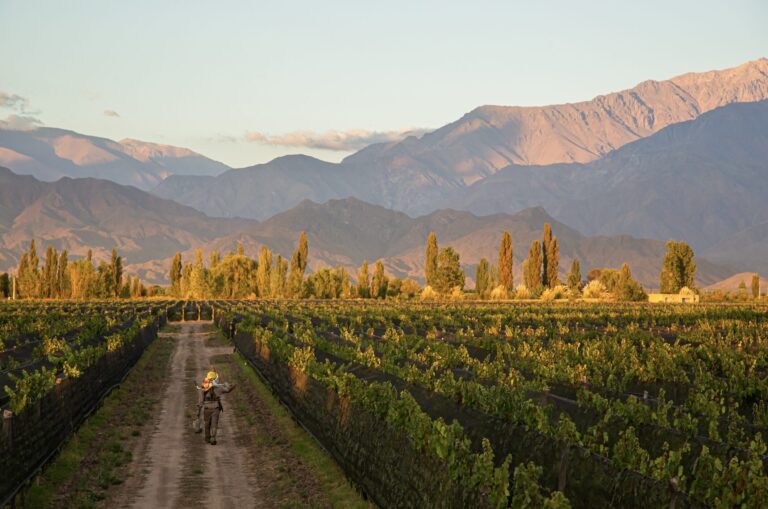
For many, Fairtrade certification is typically associated with goods such as coffee, bananas, and cocoa. It is also an important certification in the wine industry, as championed by prominent Argentine wine producer Grupo Avinea. With just under 400 hectares of vineyards under cultivation, the group’s wine brands include Bodega Argento, Pacheco Pereda and the recently launched Viña Artesano from Mendoza, and Otronia from Patagonia.
Grupo Avinea is known not only as a leading Argentine organic wine producer, but also as a global leader in Fairtrade wine production. Bodega Argento’s Fairtrade wines are sold in more than 15 markets, while Fairtrade wines are also a prominent part of the Pacheco Pereda and Viña Artesano portfolios. I recently had the pleasure of speaking with Andres Valero, head of sustainability and ESG at Grupo Avinea, to learn more.
Fairtrade certification requires high labour and environmental standards from the vineyard all the way through to the winery, while driving social impact. Andres explains the two key funding mechanisms for community development. One is the license fee fund, which operates at a global level. This fund supports the Fairtrade system and international programmes in areas such as climate change adaptation, regenerative agriculture, and the development of opportunities for women and young people in rural communities.
The other is the Fairtrade premium fund, which operates at a local level. For every Fairtrade wine sold by Grupo Avinea, a percentage of the sale goes to the fund. This fund is directly administered by Grupo Avinea workers themselves through the civil society organisation RMT, Raiz de mi Tierra (Roots of my Land). Each year, the workers democratically select which community projects to invest in.
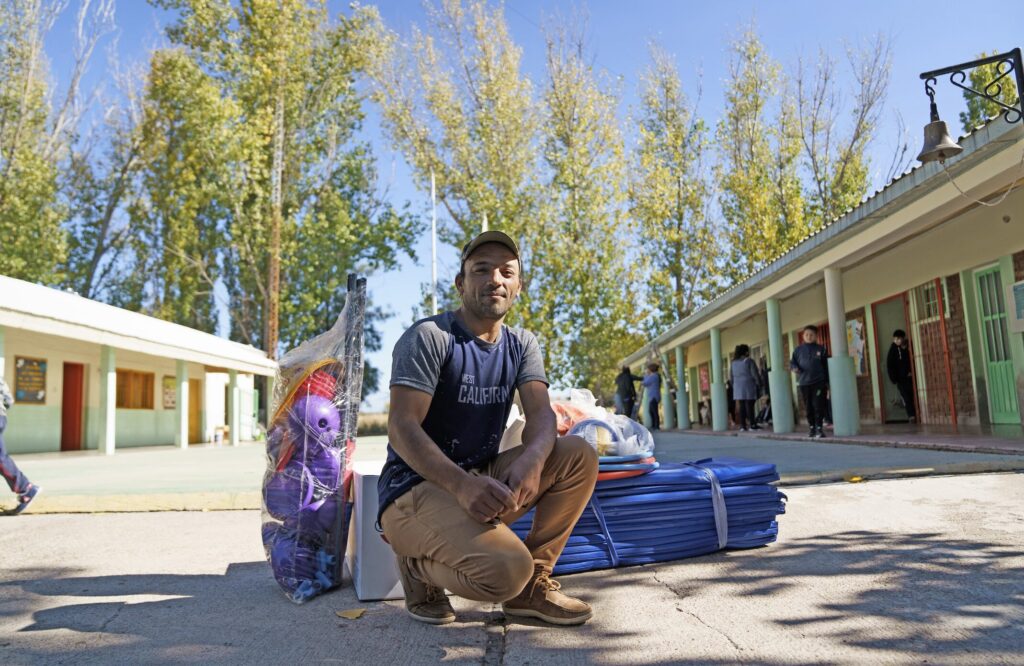
Since RMT was set up in 2020, the organisation has developed more than 25 projects, impacting over 4,000 people, including workers, their families, and the wider community. Another 10 projects are planned for this year, all in Mendoza or nearby regions. The projects are mostly focused on health, education, and sport. Andres shares how investing in the basics can have a huge impact. For example, one project focused on repairing the bathrooms and providing hot water at a rural school in Altamira.
Other investments have gone to local community kitchens and dining halls that provide daily meals for more than 100 children, elderly people, and single mothers. This social and nutritional support is crucial given Argentina’s unstable economy and high unemployment levels. Coquimbito’s first community kitchen, Manitas Unidas, was set up by a local retired woman called Mabel. Before the investment, Mabel used to wake up at 4am to cook in her kitchen in order to provide meals for around 50 people. Through the Fairtrade premium fund, RMT bought a bakery oven for her, allowing her to wake up at 7am while also providing meals for more people. Andres once again points out the simplicity of the project. It’s by meeting Fairtrade requirements in the vineyard and winery that Grupo Avinea and Fairtrade can help create these small projects that have a big impact.
From bicycle deliveries and complementary health insurance funds for workers to children’s football clubs and soup kitchens, all projects are democratically selected by the workers at the annual RMT assembly. Suggestions are based on a needs analysis survey, but any worker can make suggestions. The proposed investment plan must then be approved by Fairtrade. Fairtrade has no say in what the NGO invests in, but it does have strict rules governing what the fund can and cannot support. For example, the Fairtrade premium funds cannot be used to pay for work gear – such expenses would need to be covered by Grupo Avinea.
“Fairtrade is a way to change business ethically and empower people – not just workers, but also others in local communities,” says Andres. However, the commercial side still presents a big challenge. Up until 15 years ago, Fairtrade did not exist as a wine category, and there is still a prevalent misconception that Fairtrade is just for entry-level wines, simply because the first Fairtrade wines were positioned in this part of the market.
Grupo Avinea is working hard to reshape this perception. The UK remains the largest market for Fairtrade wines, but Andres wants Fairtrade to go beyond just addressing one market’s need. “We need to get more people involved, especially retailers, to push the Fairtrade concept forward in other markets,” he says.
For the last few years, Grupo Avinea and CLAC Fairtrade have actively promoted certified wines around the world, and Fairtrade wine markets have started to develop in Canada, the US, Brazil, and Argentina. One major campaign is The Andes Wines, which showcases high-quality Fairtrade wine from Argentina and Chile. As Grupo Avinea clearly demonstrates, Fairtrade wine can be both high-impact and high-quality.
Featured members