
Adapting to a changing wine market: Insights from a small Stellenbosch winery
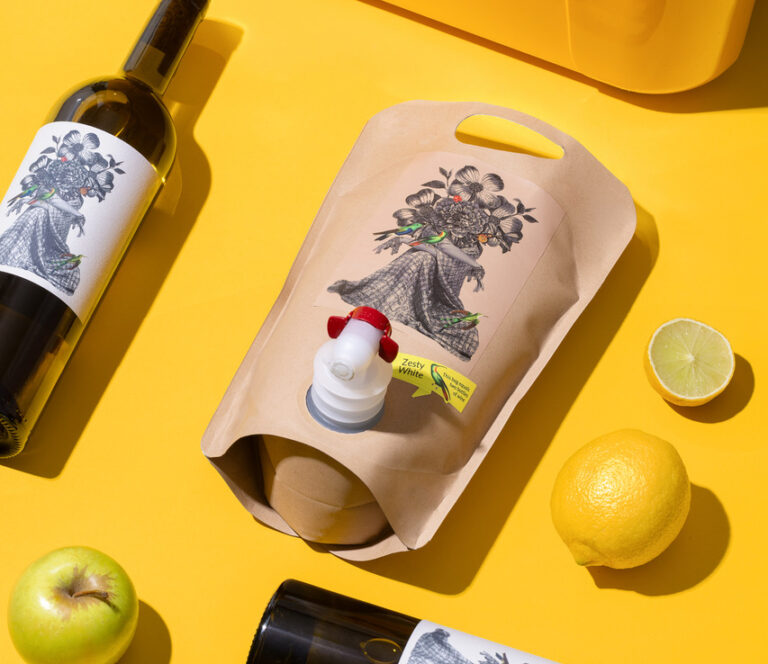
The bagnum is, as you may have guessed, a magnum in a bag. Holding 1.5 litres of wine and weighing just 43g, the pouch offers consumers convenience, better value and easy disposal. For producers, distributors and retailers, its lightweight format also means lower transport emissions and costs.
These are among the benefits that Ginny Povall, owner of Botanica Wines in Stellenbosch’s Devon Valley, has discovered since launching her Pinot Grigio bagnums in the US. Having seen the format in Europe, Ginny decided to test the concept with her American consumers.
The results have been encouraging. Not only has the bagnum proved popular with consumers, it has also opened up a new sales channel: the on-premise trade. With an extended shelf life of one to two months once opened, and a space-efficient format, the bagnum appeals to bars and restaurants looking to serve wine by the glass.
Alternative packaging is one way for producers to find opportunities in an increasingly challenging market. With around 80-85% of the five-hectare winery’s production exported to the US, Botanica Wines has felt the effects of a changing market over the past 18 months. The US wine market continues to grapple with declining volumes, tariff pressures and shifting trends and demographics.
When it comes to consumer preferences, Ginny points out that bottle weight does not appear to be a key purchase driver at the price point Botanica Wines operates in. A signatory of SWR’s Bottle Weight Accord, Ginny began introducing lighter bottles with the 2023 vintage. Between 2024 and 2026, the winery’s average bottle weight fell from 621g to 435g.
For one of its wines, the switch from a 750g to a 410g bottle went unnoticed by consumers. There was no feedback, positive or negative. Yet the change substantially reduced the winery’s carbon footprint and bottle costs. Ginny’s US importer benefits too: lighter bottles mean more can be loaded onto each pallet. As with all sustainability matters, context is key. But in this case, the commercial case for lightweighting is clear.
Read more about Botanica Wines.
Featured members