
Wine, Vineyards, and Seasonal Employment in Bordeaux
Last week in Bordeaux, the Sustainable Wine Roundtable (SWR) co-hosted an event with the Conseil Interprofessionnel du Vin de Bordeaux (CIVB) on The Wine Sector and Seasonal Employment, bringing together government representatives, industry leaders, and individual estates to understand how the region is addressing the challenges of hiring seasonal labour for the harvest.
Key takeaways:
- Strong cross-sector collaboration is central to managing seasonal labour effectively.
- Labour issues are increasingly linked to regulatory, reputational, and commercial risk.
- Progress is driven by a shift from isolated initiatives to joined-up, system-based approaches, with cooperative and agreed frameworks improving worker rights and operational efficiency.
What stood out was the degree of coordination already in place across the Bordeaux region. The Bordeaux Labour Rights Charter now has more than 100 signatories, each supported by a designated government contact to help embed good practice. Estates are also collaborating across different harvest windows to extend employment periods, improving stability for workers while helping producers secure reliable labour. Alongside this, increased investment in training is strengthening health and safety, improving quality, and building longer-term workforce loyalty. A further key development is the use of one-month contracts for the majority of seasonal workers who are employed only during the harvest, ensuring consistent rights and protections even within short-term employment.
The discussions also reinforced that labour standards in vineyards are no longer peripheral, but are increasingly tied to legal compliance, reputational risk, and market access.
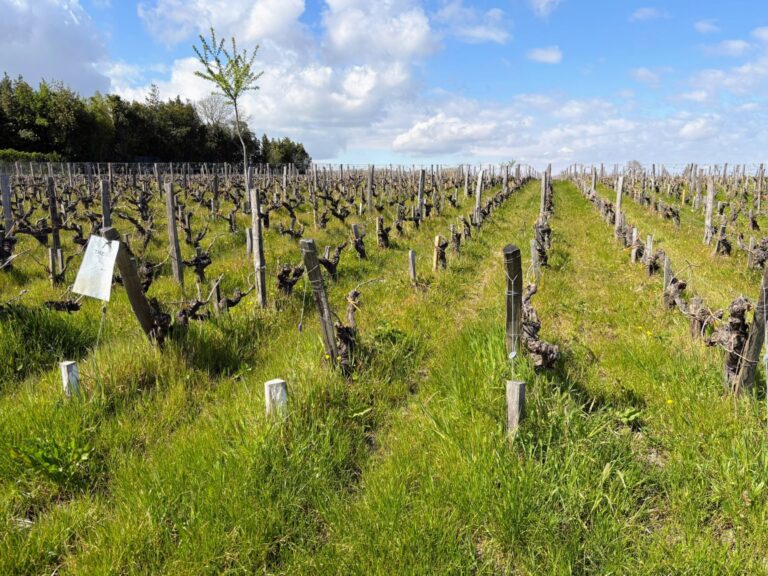
In addition to the conference, a visit to Château Palmer offered a complementary view of how vineyard practices are evolving on the ground, where regenerative approaches are embedded into day-to-day operations. From biodiversity supported through on-site vegetable gardens, pruned vine cuttings reused to create insect habitats, to sheep integrated into vineyard management to control cover crops and fertilise soils, or grey water treated and reused through natural filtration systems.
Together, the event and the vineyard visit underlined a clear message – progress in the wine sector is increasingly driven by collaboration and practical implementation.
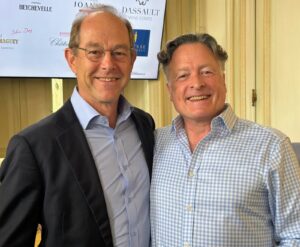
A huge thank you to the wonderful CIVB team – Marie de Carcouët, Marie Catherine Dufour, and Allan Sichel—who put together the fantastic event, to Dom de Ville from The Wine Society for providing great insights on the retailer perspective, and to everyone who added to the conversation.
Featured members

Conseil Interprofessionnel du Vin de Bordeaux
Industry Association