
What does ‘terroir’ really mean?
(3 min read)
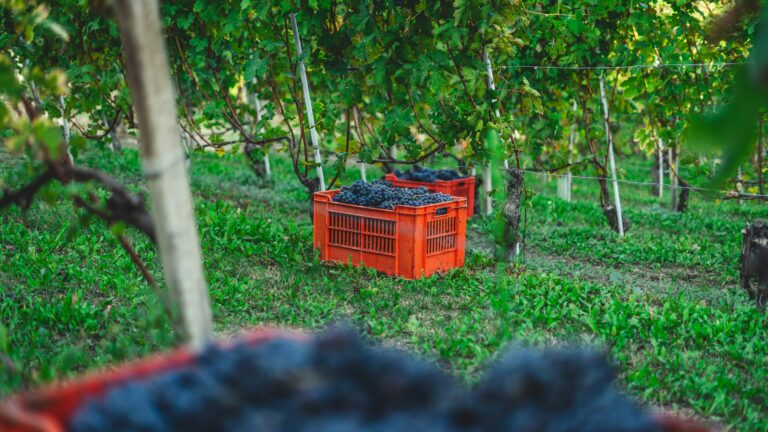
Part of everyone’s initiation into wine is that almost-magical word, ‘terroir’. It sums up all those factors, including soil, climate, and winemaking skills, that contribute to each wine’s unique identity.
But in wine-making regions, ‘terroir’ has a wider and rather more prosaic relevance. Soils and climate are components of real vineyards, and winemaking skills vest in individuals who often build on capabilities passed on for many years.
The reality, however, of ‘wine as business’ rather than ‘wine as romance’, is that in some areas, the elements that make up ‘terroir’ are potentially under-threat. There are two key economic reasons for this.
The first is that the world is drinking less wine. According to OIV figures, global wine consumption fell by around 9% between 2019 and 2024. It also seems clear that the younger generation drinks less and less frequently than previous generations. The result has been the grubbing up of vineyards in many wine regions. In France, for example, the government announced it was making €130m available for uprooting vines.
The second is a constantly-rising operational and administrative burden on wine makers as the downstream supply chain requires compliance to an increasing raft of requirements. The sustainability community is not immune from blame on this. However, other regulatory factors, for example around chemical residues and other SPS factors means that the amount of work required of a grower, and the paperwork to demonstrate compliance, is increasing almost exponentially.
These factors are difficult even for larger producer groups. For smaller growers, the combination of a fall in demand and an increase in the work required is probably not, in the long term, survivable.
For those of us to who talk about ‘sustainability’ this is a problem. How can we credibly talk about sustainability unless we consider properly how wine businesses can sustain – by which I mean the basics of staying in existence.
The question then becomes one of what we can actually do: what levers for action are available to us? We cannot reduce the regulatory burden. Nor can we change the market dynamics which mean that despite making greater demands, buyers still press hard to reduce the price they pay for wine.
What we can do, though is promote collaboration, and the development of joined-up approaches to addressing key issues. The SWR’s work on labour issues is a good example of this. By their very nature, these are issues which are systemic rather than particular to an individual business, and as such need to be addressed collectively. We are working with regional bodies to understand how they have dealt with challenges and problems in their area when they have arisen. We are working with those of our members who are tackling these issues in their own supply chains to ensure that the tools they develop can be shared. We are developing case studies so that those new to these issues have insight into good practice and do not have to reinvent the wheel.
Central to this, of course, has to be a recognition that addressing environmental and social issues in wine needs to be a collective endeavour. Retailers cannot make increasing demands without thinking about how these will be met, and growers cannot complain about increasing demands made of them without understanding the pressures on those making these demands. This is why SWR is vital: as the conduit for understanding, developing and sharing tools that actually get things done in the real world. This means that terroir as business operations can persist, thereby allowing us to enjoy terroir as the poetry of wine.