


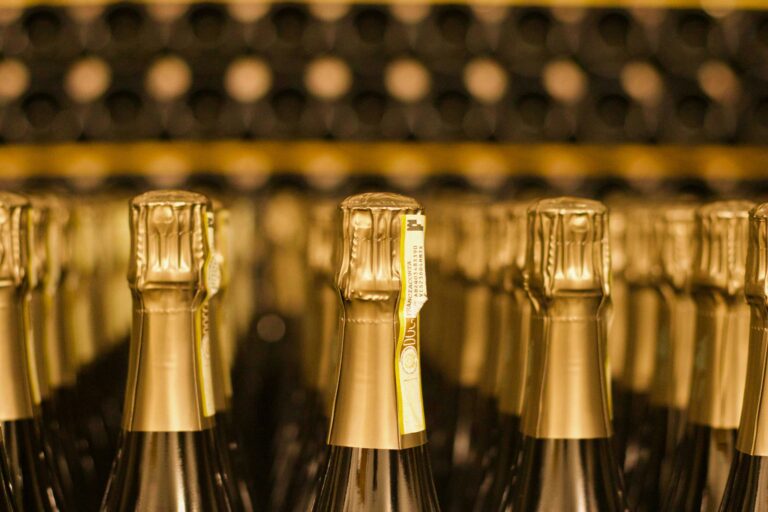

SWR Releases First Sparkling Wine Bottle Weight Study
The Sustainable Wine Roundtable (SWR) has published the first comprehensive research into lightweighting sparkling wine bottles, an important step toward reducing the carbon footprint of sparkling wine production. Building on the 2023 still-wine Bottle Weight Accord(BWA), this report sets out the safety considerations, technical requirements, and category-specific targets needed to support the adoption of lighter sparkling wine bottles and drive carbon reductions across the sector.
The findings also reinforce SWR’s broader aim: to provide the industry with practical, shared frameworks that support both sustainability and commercial decision-making.

Key findings and insights
The report highlights the specific considerations that make lightweighting sparkling bottles more complex than still wine, while setting out a clear, evidence-based path forward. As Dr Stanbury notes:
“The sparkling wine category is a more complex one, as glass safety is a key consideration where liquids are under pressure. However, we are confident we can recommend targets across different sparkling wine styles which can benefit producers, traders, retailers and others, not just in reducing their carbon emissions, but also in their bottom line.”
Why bottle weight matters
The bottle can account for up to 50% of a wine’s total carbon footprint, making lightweighting the most immediate way for producers and retailers to cut emissions. With more countries introducing Extended Producer Responsibility (EPR) regulations, lighter bottles also reduce packaging-related fees. If the still-wine BWA’s first-year weight savings had been charged at UK EPR rates, participants would have avoided £28.5 million in levies.
Building on a proven model
SWR’s still-wine BWA now covers 2.5 billion bottles annually (~9% of global wine consumption), demonstrating proven impact and reflecting strong industry support for coordinated targets.
Addressing greater complexity in sparkling wine
Lightweighting sparkling wine bottles requires additional care because bottles must withstand:
- Internal pressure from carbonation
- Riddling, stacking, and long-term storage
- Temperature variation and handling across the supply chain
- Proper filling levels and bottle specifications
These factors mean sparkling bottles cannot follow a single “average” target. Instead, the report proposes a structure tailored to the diversity of sparkling styles.
A four-part segmentation
To reflect differing production methods, SWR proposes category-specific target weights rather than a single average. It segments the market into four groups:
- Champagne
- Other traditional method wines
- Charmat/tank-fermented wines
- Semi-sparkling wines
This segmentation covers the vast majority of sparkling wines and allows targets to be set with appropriate safety margins. These target levels are based on safe, lighter bottles already widely used in the market today.
Consumer Perception
The research shows that bottle weight is not a significant factor for most consumers:
- Most buyers do not notice or prioritise bottle weight
- A small group still equates heavier bottles with higher quality, but this is not universal
- Evidence suggests lighter bottles can be positioned positively with clear communication
This aligns with industry experience from the still-wine Accord.
Prioritising Safety
Safety remains the central consideration. Lightweighting must not compromise bottle performance, as sparkling bottle failure carries a higher risk of injury. The report outlines the technical parameters that must be managed to ensure safe implementation.
Read the full report below to dive deeper into the findings.
Looking ahead
This report marks an important step toward establishing a Sparkling Wine Bottle Weight Accord. SWR is now opening a member and stakeholder consultation to refine the proposed target weights and implementation timeline.
Key milestones:
- November 2025 – March 2026: Consultation period with members and technical partners
- February 2026: Launch of the Sparkling Wine Bottle Weight Accord
- 2026 onward: Technical guidance, signatory recruitment, and shared best practice to ensure safety and performance across the industry.
SWR members along with the wider industry are invited to participate and contribute insights during this development phase.
Learn More
For more information about our work on bottle weight, visit our dedicated page here.
If you are interested in learning more about this research, or in getting involved with the Accord, please contact our team.


